Fall Striper Migration: Where to Find Trophy Bass on NJ Beaches
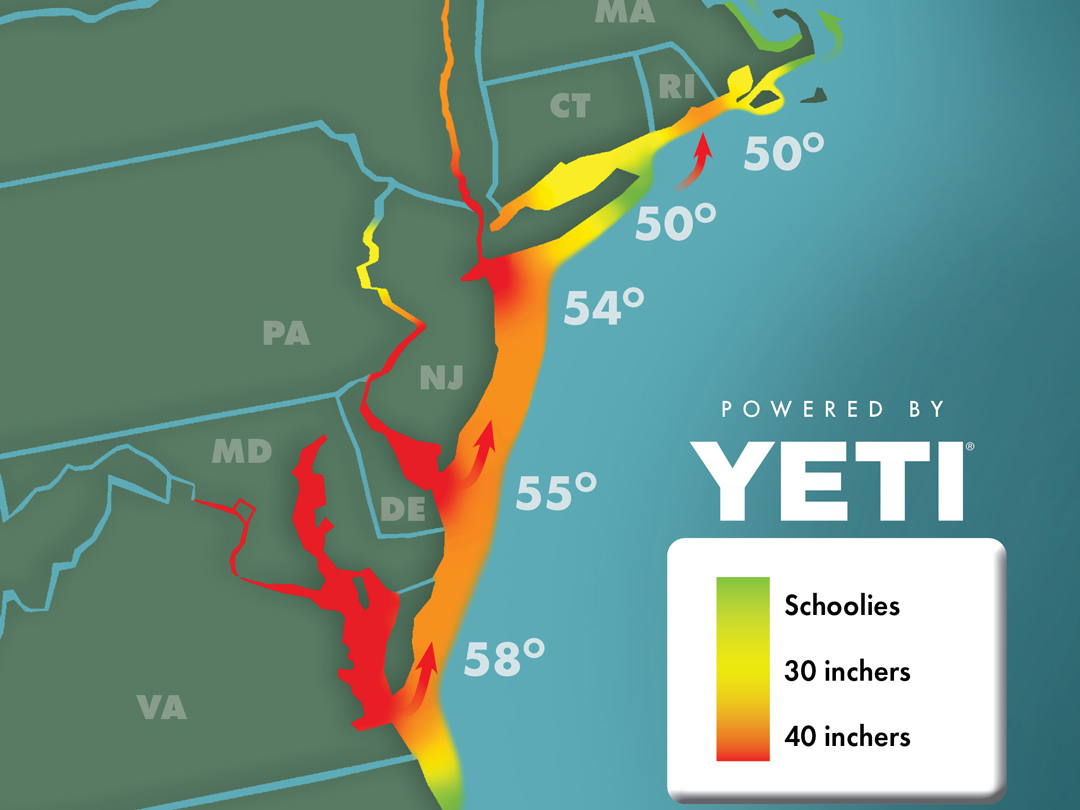
As autumn leaves begin to turn and the crisp air signals the changing seasons, a thrilling phenomenon captures the attention of anglers across the Mid-Atlantic: the annual fall striper migration. New Jersey’s diverse Atlantic coastline transforms into a superhighway for colossal striped bass, making it one of the East Coast's most sought-after destinations for surf fishing enthusiasts. With recent reports pointing to excellent fall activity and robust baitfish populations, understanding the optimal New Jersey Striper Fishing Conditions is key to landing that trophy fish.
The Garden State's beaches consistently reward those willing to put in the time and effort, timing their trips with the movement of these migrating giants. This comprehensive guide will equip you with the knowledge of where, when, and how to target trophy striped bass along New Jersey's stunning and productive coastline during this prime fishing window.
The Epic Journey: Understanding New Jersey's Fall Striper Migration
The fall striper migration is not just a fishing event; it's an ecological spectacle. Driven by cooling water temperatures and an insatiable need to gorge on baitfish before their arduous journey south to wintering grounds, striped bass become incredibly active and aggressive. This makes them prime targets for surf anglers.
Large schools of bunker, mullet, spearing, and sand eels provide an abundant forage base, drawing stripers close to the surf line. Anglers in the know keep a close eye on these bait movements, as they are often the most accurate indicators of where the bass will be. The sheer volume of fish moving down the coast, combined with their feeding frenzy, presents unparalleled opportunities for catching not just numbers, but also truly monumental "cows" – the trophy bass that every angler dreams of.
Successfully navigating these conditions means understanding the interplay of tides, structure, and bait. From the northern reaches of Sandy Hook to the southern tip of Cape May, each stretch of New Jersey's coast offers unique challenges and rewards.
Premier New Jersey Beaches for Trophy Striper Encounters
New Jersey boasts an array of phenomenal surf fishing locations, each with its own characteristics that appeal to migrating stripers. Knowing these hotspots can significantly increase your chances of a memorable catch:
Sandy Hook: The Gateway to Giants
Located at the northernmost tip of the Jersey Shore, Sandy Hook is widely considered New Jersey's premier surf fishing destination. This sprawling barrier spit, encompassing 2,000 acres of pristine beaches, is strategically positioned where the Atlantic Ocean currents converge with Sandy Hook Bay. This dynamic meeting point creates "The Rip" – a notorious current seam that acts as a natural funnel, concentrating baitfish and, consequently, hungry striped bass.
Peak Action: The fall striper migration at Sandy Hook typically kicks into high gear from Halloween through December. Anglers often find phenomenal action around the rip, especially during tide changes. The sheer volume of water movement here can hold enormous schools of bait, attracting some of the largest stripers of the season.
Pro Tip: Focus your efforts on the incoming and outgoing tides around the tip of the Hook. Heavy bucktails, large swimming plugs, and live or fresh bunker are often highly effective here.
Island Beach State Park (IBSP): Untamed Wilderness, Abundant Bass
Offering ten miles of pristine, undeveloped coastline, Island Beach State Park provides the most natural surf fishing experience in New Jersey. Its protected status ensures minimal development pressure, fostering healthy fish populations and diverse habitats.
Consistent Productivity: IBSP consistently ranks among the state's most productive locations for striped bass. While the northern sections are known for summer fluke, the park's southern inlet area is a perennial hotspot for stripers and bluefish during the fall run. The natural troughs and sandbars that shift with storms and tides create excellent ambush points for feeding bass.
Pro Tip: A mobile approach is often best at IBSP. Look for nervous bait, diving birds, or subtle changes in the surf line that indicate structure or a feeding frenzy. An OSV (Over Sand Vehicle) permit allows access to drive onto certain sections of the beach, greatly increasing your ability to cover ground and find the fish.
Long Beach Island (LBI): A Diverse Striper Playground
Long Beach Island offers an extensive and varied shoreline, stretching from Barnegat Light in the north down to Beach Haven in the south. This island's unique position and geological features create numerous productive structures, including jetties, inlets, and constantly shifting sandbars.
Year-Round Action, Fall Trophies: LBI produces consistent catches throughout the fishing season, but the fall migration is when it truly shines for trophy stripers. The jetties, in particular, provide excellent current breaks and cover for both baitfish and predatory bass.
Pro Tip: Fish the jetties at Barnegat Light or the areas around the inlets during tide changes. Large plugs, especially darters and poppers, can be incredibly effective around these structures, mimicking the bigger baitfish present during the fall. Watch for the infamous "Barnegat Light Rip" – a challenging but often rewarding spot.
Cape May County: Southern Convergence, Consistent Action
At New Jersey's southern tip, where the vast Delaware Bay meets the powerful Atlantic Ocean, Cape May County beaches offer excellent surf fishing opportunities. This unique convergence creates distinct fishing conditions that support a diverse array of species year-round, including migratory stripers.
Migration Funnel: Cape May's position makes it a natural funnel for fish migrating both north and south. The area's numerous jetties and other structures provide crucial habitat and ambush points for baitfish and gamefish alike. Fall brings strong runs of stripers, often in combination with large bluefish.
Pro Tip: Focus on areas where the bay currents meet the ocean, such as the numerous jetties and inlets. Pay close attention to tidal charts, as the strong currents here can be challenging but also highly productive. Fresh bait, especially clam or cut bunker, can be very effective in these churned-up waters.
Ocean City: Family-Friendly Fishing Hotspot
Ocean City successfully combines excellent fishing opportunities with family-friendly amenities, making it an ideal destination for anglers traveling with non-fishing companions. The city offers a fishing pier, numerous jetties, and convenient beach access points, providing multiple fishing options within walking distance.
Accessible Striper Action: While perhaps not as wild as IBSP, Ocean City provides reliable striper action, particularly during the fall. Its accessibility means you can often find fish without extensive travel, making it perfect for a quick evening session or a family outing.
Pro Tip: The fishing pier offers a unique vantage point and access to deeper water. Don't overlook the smaller jetties and cuts along the main beach. Early mornings and late evenings are often the best times, especially for larger fish that might shy away from daytime crowds.
Mastering Your Fall Striper Strategy: Beyond Location
Finding the fish is only half the battle. To consistently land trophy stripers, you need to refine your tactics based on the prevailing New Jersey Striper Fishing Conditions.
Reading the Water & Baitfish Activity
The most successful surf anglers are keen observers. Look for:
- Diving Birds: Gulls, terns, and gannets diving into the water indicate baitfish being pushed to the surface, often by feeding stripers from below.
- Nervous Bait: Watch for schools of baitfish jumping or showering at the surface. This is a clear sign predators are in the vicinity.
- Rips and Cuts: Areas where currents converge, create eddies, or where troughs run parallel to the beach are prime ambush points.
- Structure: Jetties, rocks, and even subtle changes in the sand bottom can hold bait and attract bass.
Optimal Timing: Tides, Light, and Moon
- Tides: The last two hours of the incoming tide and the first two hours of the outgoing tide are often the most productive, as moving water disorients baitfish and pushes them into feeding zones. Specific locations like "The Rip" at Sandy Hook may fish best during strong tidal movements.
- Dawn & Dusk: Low light conditions are prime feeding times for striped bass. These periods offer increased visibility for the fish and a sense of security against predators.
- Moon Phases: Stronger tides associated with new and full moons can sometimes trigger more aggressive feeding behavior.
Essential Gear & Techniques for Fall Stripers
Your tackle needs to be robust enough to handle powerful fish and challenging surf conditions:
- Rod & Reel: A 9-11 foot medium-heavy to heavy action surf rod paired with a strong, corrosion-resistant spinning reel (size 6000-8000) loaded with 30-50 lb braided line is standard.
- Lures:
- Plugs: Large metal-lip swimmers, darters, pencil poppers, and bottle plugs are excellent for imitating bigger baitfish.
- Bucktails: Highly versatile. Tip with a plastic worm or pork rind for added appeal. Great for probing deeper water or current seams.
- Soft Plastics: Large paddletail shads (e.g., Tsunami, Storm) on heavy jig heads are incredibly effective for mimicking bunker or mullet.
- Bait: Fresh bunker (live or chunked), fresh clam, and whole mullet are proven choices, especially when bass are keyed in on natural forage.
Regardless of your chosen method, persistence and mobility are key. If one spot isn't producing, don't hesitate to move and try another.
Conclusion
The fall striper migration along New Jersey's beaches offers an unparalleled opportunity for anglers to connect with trophy striped bass. By understanding the prime locations like Sandy Hook, Island Beach State Park, and Long Beach Island, interpreting the nuanced New Jersey Striper Fishing Conditions, and employing effective strategies, you can significantly increase your chances of landing that fish of a lifetime. So, gear up, keep an eye on the latest fishing reports, and embrace the thrill of the hunt. The legendary striped bass awaits!